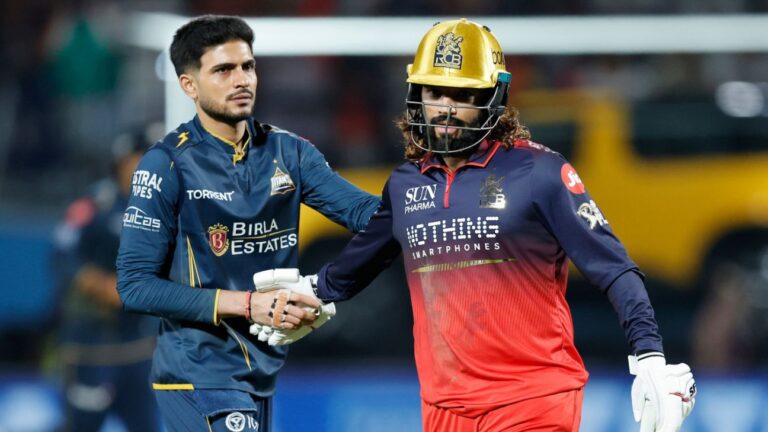
Matthew Short, set to make his international return this week, credits his winter training with a baseball bat for transforming his T20 batting.
In his early days with Victoria, Short was often likened to cricket legend Greg Chappell due to his upright stance and languid swing. However, after struggling to make a significant impact with the bat, Short turned to baseball to improve his game.
Under the guidance of coach Chris Rogers, Short and fellow emerging allrounder Will Sutherland were encouraged to experiment with baseball-inspired approaches to developing their power games. They spent pre-season sessions in the indoors, hitting softballs off a tee and watching YouTube clips to implement a more effective swing.
“I found a swing that worked and a stance that worked and I’ve stuck with it,” Short explains. “From that pre-season on, it pretty much stuck and has felt pretty natural ever since.”
Victoria’s emerging players coach, Jarrad Loughman, played a significant role in Short’s transformation. Loughman had become interested in the crossover benefits baseball training could have on cricketers and had even entered a team of young Victorian cricketers into a C-grade suburban Melbourne baseball competition.
The key to Short’s success lies in the ability to generate power with a vertical bat, a concept central to the baseball swing. Loughman highlighted the challenge of hitting hard length balls with power, something Short has now mastered.
“The basis of it is around when you get a hard length ball you can’t hit with a vertical bat to get power,” Loughman says. “Which Shorty does quite well when it’s full, hitting down the ground with his height.”
Now one of Australia’s leading T20 batters, Short acknowledges the advantage he has over his peers. ‘Shank them for six’ is a common phrase used to describe the ability to hit sixes off the shorter length, something Short is not naturally equipped to do due to his lean build.
“I don’t really have that luxury,” Short admits. “I’m obviously not a very built person, so I was never a ‘stand and deliver’ kind of power hitter. I’ve always had the levers – I’m tall and have got longer arms – so it’s been about making sure the swing is right and connection point was right.”
Loughman’s guidance was instrumental in Short finding the right balance in his swing. The impact of this new approach has been substantial, helping him become one of Australia’s most damaging hitters in the shorter format.
Short’s transformation serves as a testament to the benefits of experimenting with unconventional approaches to batting. His story highlights the value of collaboration between coaches and players, and the determination required to achieve success in the high-stakes world of cricket.
The Baseball Connection
Matthew Short’s adoption of a baseball-inspired batting setup has been a major factor in his success. The key concepts he has learned through this training, such as generating power with a vertical bat, have been instrumental in his development as a T20 player.
This approach has not only improved his ability to hit hard length balls but also allowed him to maintain a high level of performance in the shorter format. Short’s story is a compelling example of how coaches and players can work together to develop innovative solutions to cricketing challenges.
The Impact of Loughman’s Guidance
Jarrad Loughman’s guidance was a crucial factor in Matthew Short’s transformation. Loughman’s interest in the crossover benefits of baseball training for cricketers led him to experiment with unconventional approaches to batting.
His willingness to try new techniques and his open-minded approach to coaching enabled Short to develop the correct balance in his swing, paving the way for his success in the shorter format.
The Benefits of Experimentation
Matthew Short’s story highlights the value of experimentation and innovation in cricket. His adoption of a baseball-inspired batting setup has allowed him to improve his game, and his determination and hard work are a testament to the rewards of taking risks and trying new approaches.
As cricketers continue to push the boundaries of what is possible on the field, the example set by Short and Loughman serves as a powerful reminder of the benefits of collaboration and experimentation in the pursuit of excellence.