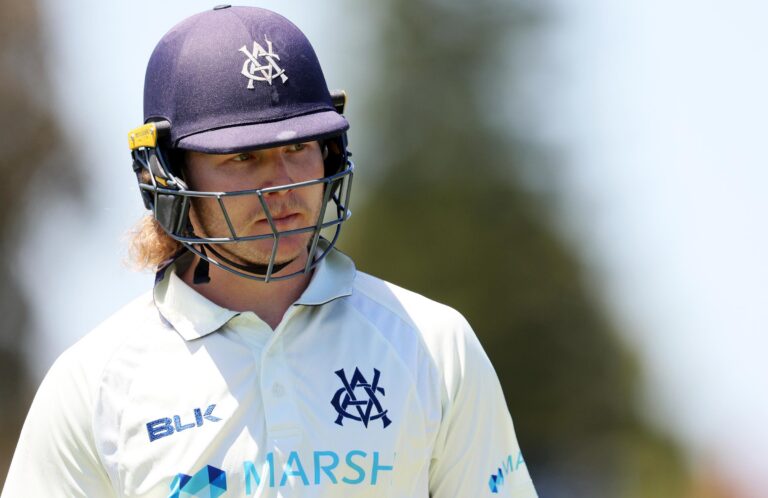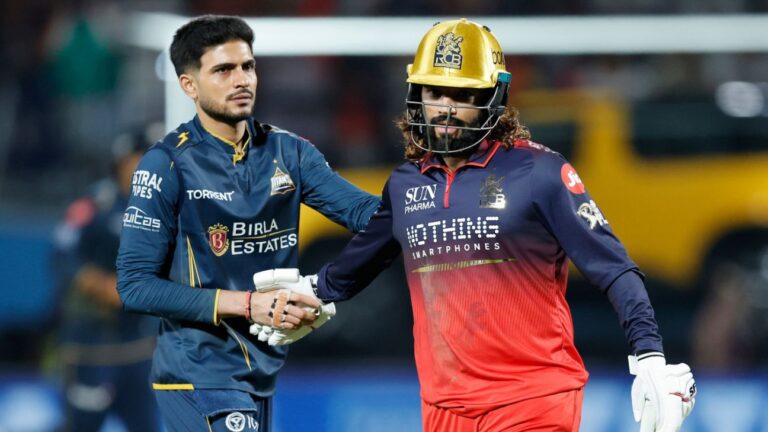
Glenn Maxwell’s decision to step away from one-day internationals caps a 149-match journey where he redefined Australia’s white-ball identity. The South Belgrave native evolved from a near-overlooked allrounder to a two-time World Cup champion, leaving an indelible mark across 50-over cricket through audacious batting, boundary-pushing aggression, and relentless self-belief.
A Rising Unorthodoxy
Maxwell’s entry into Australian ODI cricket in 2012 defied conventional wisdom. Selected over Steve Smith for an UAE series under John Inverarity, the 23-year-old leveraged his unorthodox strike-making – exemplified by a record 19-ball List A half-century – to disrupt traditional team dynamics. While contemporaries like David Warner and Steve Smith flourished methodically, Maxwell thrived on unpredictability, a trait that both mesmerized and frustrated selectors.
Hailed as a “lively allrounder,” Maxwell’s 2012 debut against Pakistan established his signature approach. Batting at No.7, he dismantled Saeed Ajmal’s doosra-heavy arsenal with a mix of technical audacity and mental fortitude. The episode, later immortalized in Pat Cummins’ foreword to Maxwell’s memoir, The Showman, showcased a mindset that prioritized fearless experimentation over rigid technique: “Next time we were all waiting to bat, he declared, ‘All good, I can pick his doosra no worries!’ When it was his turn, he reversed Ajmal first ball.”
The Asian Advantage
Whereas most Australian batters struggled on subcontinental pitches, Maxwell thrived. By the conclusion of his career, he outperformed domestic averages by five runs in Asian conditions, a testament to his ability to absorb pressure and manipulate spin bowling. This adaptability positioned him as a linchpin for Australia’s global competitiveness, particularly during the 2015 and 2023 World Cup campaigns.
His defining ODI legacy remains etched in folklore: the 201no blitzkrieg against Afghanistan in Mumbai during the 2023 World Cup. The first non-opener to score an ODI double-hundred, Maxwell’s innings fused technical innovation (unorthodox strokes against part-time spinners) with emotional intelligence (managing high-pressure run chases). Despite trailing in five of 27 ODIs where he scored fifties, Australia won 22, underscoring his impact as a match-definer.
The Cost of Originality
Originality came at a cost. Maxwell’s candid critiques of internal processes and preference for unestablished batting techniques polarized coaching staff. His 45-game wait for an ODI century – finally achieved in a 51-ball World Cup effort against Sri Lanka – amplified skepticism about his reliability. Yet, these same perceived flaws fueled his greatest strengths: 31 sixes in 2023 World Cup qualifiers, a record 15 dismissals per 100 balls in high-pressure situations, and a batting strike rate (90.8) surpassing all Australian ODI specialists since 2000.
The tension between innovation and tradition manifested in his twilight years. As younger batters adopted power-hitting templates, Maxwell’s left-handed chaos remained unparalleled, even as selectors debated his utility in abbreviated T20 formats. His retirement leaves a void not just in capabilities, but in mindset – one built on a conviction that cricket’s boundaries could be redrawn.
Redefining the Hybrid2>
Maxwell’s ODI journey redefined Australia’s allrounder archetype. Where Andrew Symonds and Shane Watson combined aggression with athleticism, Maxwell layered in theatricality and statistical eccentricities. His 102-ball economy rate as a bowler (4.39) and 82 dismissals in the field (most among Australian ODIs since 2010) underscored a holistic impact rarely seen in format-specific specialists.
Though his methods drew scrutiny, Maxwell’s data speaks volumes: in Asian ODI conditions after 2018, his batting average (48.7) outperformed all contemporaries. The contrast with Warner and Smith – methodical openers who prioritized consistency – highlights a strategic divergence. While Warner set foundations and Smith accelerated, Maxwell occupied a middle ground, capable of both stabilizing and demolishing, a role no successor has replicated with equal versatility.
As Maxwell retires from 50-over cricket, his legacy rests on three pillars: statistical anomalies (the first Australian to score 10 ODIs centuries and take 100 wickets), technical pioneership (pioneering reverse sweeps in 2015 World Cup finals), and cultural influence (normalizing aggressive hand-and-foot placements against spin). For analysts, his career offers a blueprint for the next-generation ODIs: adaptability as both weapon and vulnerability, and the enduring tension between process and performance.