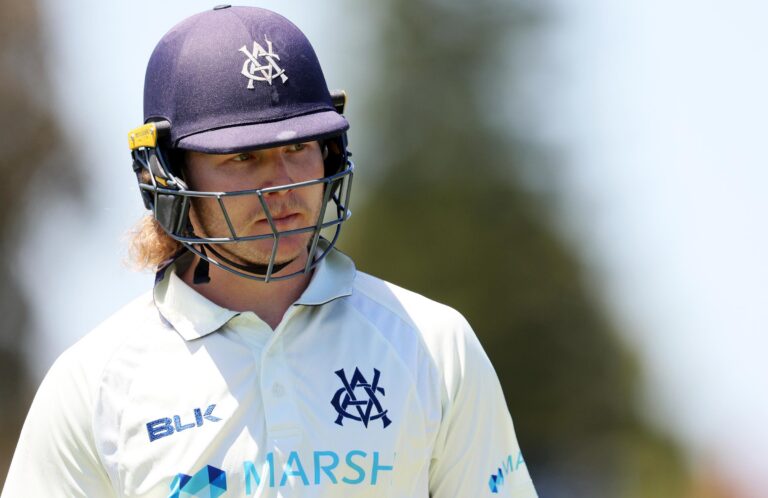
Australia A’s grueling India tour under Tim Paine has provided a masterclass in test cricket’s Indian challenges, with the 35-test wicketkeeper-coach emphasizing the long-term benefits of harsh subcontinental experiences. Despite a crushing defeat at Lucknow, the young squad encountered pivotal learning moments that could shape Australia’s Test fortunes in 2027.
Historical Context and Modern Rebirth
Paine, who witnessed the 2010 Indian Test heartbreak firsthand, understands the brutal nature of subcontinental test cricket. Australia’s winless record since 2004 (only two victories in 18 Tests) underscores the tour’s importance. The Australia A team, lacking experience against Indian conditions, faced an India A side featuring players from the subsequent Test squad, creating a pressure-cooker scenario.
The Lucknow defeat mirrored Paine’s own 2010 Test loss to India, when VVS Laxman’s partnership snuffed out Australia’s advantage. This cycle of near-victory followed by collapse has defined Australian Test performances against India for decades. Paine’s 2024 campaign, while resulting in defeat, offered crucial tactical insights through exposure to varying pitch types and humid conditions.
Performance Under Pressure
Key performers like Sam Konstas (109* in the opener) and Nathan McSweeney (74 and 85) demonstrated resilience in punishing conditions. Josh Philippe’s 123 not out in the first-class match highlighted adaptability, while Cooper Connolly’s white-ball form (64, 50*) suggested potential for multi-format players. Paine emphasized the value of facing India’s premier talents in both red and black clay pitches, which exhibit vastly different characteristics critical for spin bowling strategies.
Strategic Implications for 2027
Paine identified three major takeaways from the tour. First, the squad’s inability to maintain focus under pressure – highlighted by missed chances and concentration lapses during the Lucknow Test – needs systemic correction through targeted mental training. Second, the exposure to diverse pitch types (clay colors dictate spin behavior) provides a tactical edge for future Tests. Third, the analysis of India A’s KL Rahul-inspired victory offers a blueprint for combating India’s aggressive batting strategies with calculated field placements and spin options.
While the West Indies’ recent 124-run Test thrashing at Mumbai raises concerns, Paine’s charges showed comparable resilience against India A. This contrast suggests that sustained exposure to Indian conditions can mitigate subcontinental challenges. The BCCI’s deliberate scheduling of three one-dayers and two four-day matches across multiple states further prepared the team for climatic and pitch variability typical of Indian Test tours.
Future Readiness and Player Development
With 2027 on the horizon, Paine noted three potential Test candidates for Australia’s spin bowling department: Sam Konstas (109*), Nathan McSweeney (85), and Josh Philippe (123*). Their performances under extreme heat and humidity conditions mirror the physical demands of Indian Tests. The coach also highlighted the need for improved run-chasing strategies after the Australia A collapse against India A, where they failed to capitalize on a 226-run lead despite favorable circumstances.
The psychological aspect has proven particularly challenging. Paine recounted the 2010 collapse as a cautionary tale against complacency, emphasizing that India’s bowlers must avoid overconfidence when holding leads on spinning tracks. The 2024 squad’s inability to convert early momentum into victory mirrors this pattern, suggesting that mental fortitude training should complement the technical aspects of the 2027 preparation plan.