The modern T20 landscape is shifting at a speed that challenges even the most seasoned campaigners, a reality starkly illustrated by a single day of spectacular Indian Premier League action. At the heart of this evolution was Australian captain Pat Cummins, making his highly anticipated return to professional cricket after a four-month injury layoff. On a day that also witnessed a historic, record-breaking run chase by the Ricky Ponting-coached Punjab Kings against Delhi Capitals, Cummins was thrown straight into the furnace. Yet, despite an initial rude awakening, the premier fast bowler demonstrated exactly why his tactical acumen and composure remain world-class, even as batting benchmarks are rewritten on an almost daily basis.
Anatomy of a Comeback: Cummins’ Resilience
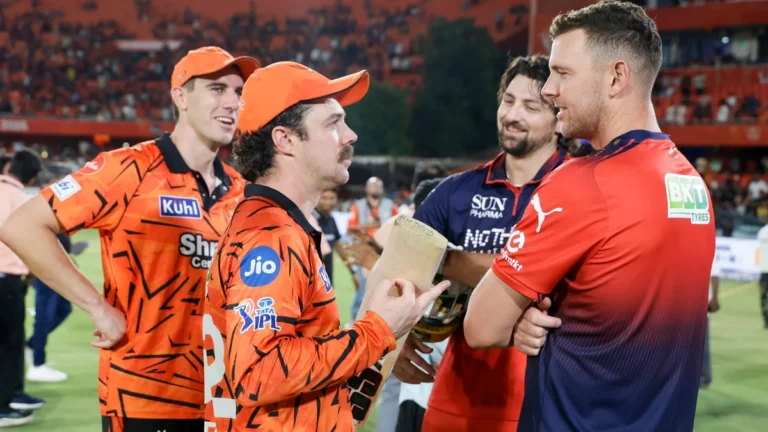
Cummins’ return was one of the primary talking points heading into the clash between Sunrisers Hyderabad and Rajasthan Royals. Sidelined since the Adelaide Ashes Test last December due to a lumbar bone stress injury, the captain resumed his leadership duties from star batter Ishan Kishan. Entering the IPL after such a lengthy absence is a daunting task for any bowler, let alone one tasked with leading the side and defending target expectations on flat, batsman-friendly decks. Cummins won the toss and elected to bowl first, a decision that immediately subjected his match fitness and rhythm to the ultimate test.
His very first delivery back was a baptism of fire. Rajasthan’s 15-year-old batting sensation, Vaibhav Sooryavanshi, welcomed the Australian skipper by authoritatively pulling him in front of square for a massive six. It was a statement of intent from the teenage prodigy, who went on to play one of the most astonishing knocks in tournament history. Sooryavanshi launched a ruthless assault, bringing up his century in a mere 36 balls—marking the third-fastest hundred in IPL history—and sealing the milestone with his twelfth six. Before being trapped lbw by Sakib Hussain for 103, the youngster also etched his name into the record books as the youngest and fastest player to reach 1,000 IPL runs, achieving the feat in just 473 balls.
The Tactical Masterclass Amid the Carnage
In an era where bowlers are routinely demoralized by such batting onslaughts, Cummins’ response was a masterclass in defensive fast bowling and tactical adaptation. Rather than panicking after the initial six, the Sunrisers captain utilized all of his experience, adjusting his pace and executing precise defensive lines. He bowled 12 dot balls across his four overs, conceding just 27 runs at an economy rate of under seven per over—an extraordinary feat in a match where Rajasthan posted a formidable 6-228. Cummins capped off his brilliant spell by cleaning up his opposite number, Riyan Parag, with a perfectly executed yorker. The ability to restrict scoring in such a high-octane environment proved to be the structural difference that kept the target within Hyderabad’s reach.
The SRH Batting Blueprint
The subsequent run chase highlighted the shifting dynamics of modern T20 batting, where even a target of 229 is no longer deemed safe. Despite losing Travis Head early for just six to a sharp delivery from Jofra Archer, Sunrisers Hyderabad executed their chase with clinical precision. Abhishek Sharma set the tempo with a blistering 57 off 29 deliveries, while Ishan Kishan played a defining hand of 74 from just 31 balls. The aggressive intent displayed by the top order ensured that Hyderabad cruised to victory with five wickets and nine balls to spare. Cummins himself was left marveling at how comfortable the chase became, noting the sheer entertainment value of the current high-scoring trend, even while acknowledging the increasingly difficult plight of modern bowlers.
The T20 Paradigm Shift and Ponting’s Record Kings
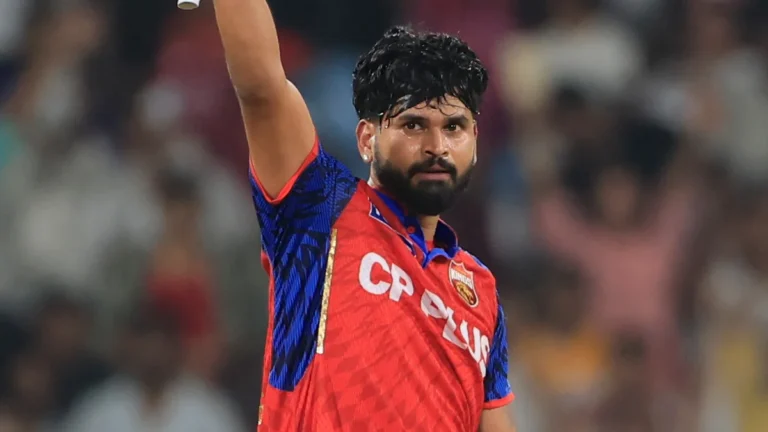
Adding to the day’s dramatic narrative was the historic feat achieved by the Punjab Kings. Under the guidance of head coach Ricky Ponting, the Kings pulled off the largest run chase in T20 cricket history against Delhi Capitals. This double-header of high-scoring spectacles underscores a wider trend in the shortest format: the total erosion of safety margins for bowling units. Ponting’s tactical blueprint of uninhibited aggression mirrored Hyderabad’s approach, showcasing how elite teams are now constructing their lineups to chase down near-impossible totals.
For Cummins, the successful comeback provides reassurance regarding both his physical durability and his tactical longevity. Returning from a bone stress injury to deliver a highly defensive, economical spell amidst such batting carnage confirms his status as a premier short-form tactician. As the tournament progresses, his ability to manage his bowling resources and maintain his own high standards under immense pressure will remain central to Sunrisers Hyderabad’s title ambitions in this high-scoring era.