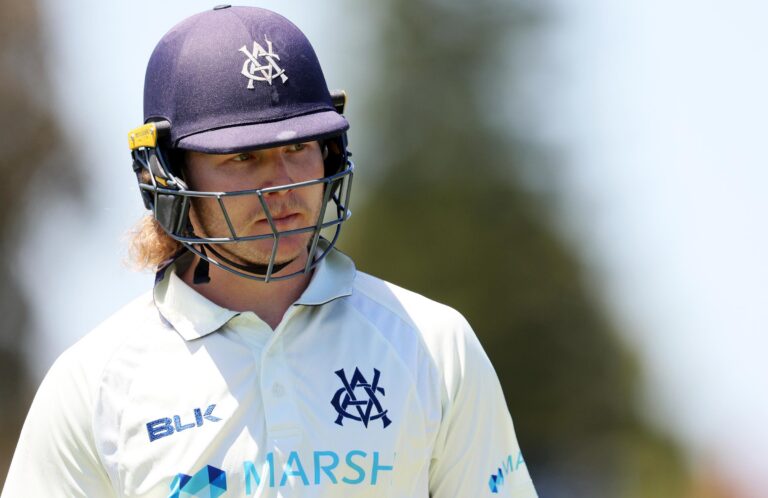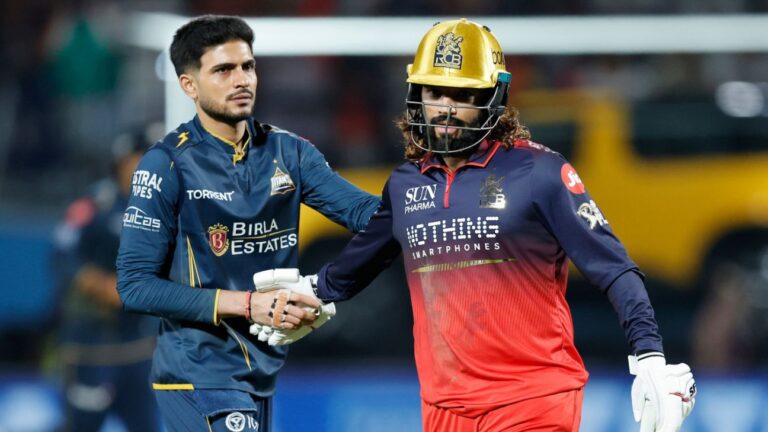
Konstas and Vidler are just the tip of an iceberg for a generational cohort that could redefine Australian cricket’s legacy. Their meteoric rise from under-19 championships to Test squads in mere months mirrors a pathway previously deemed unimaginable for young players.
Sam Konstas’ trajectory exemplifies this paradigm shift. Originally slated to defend the U19 National Championships last summer, his career trajectory altered dramatically after electrifying performances against India. By skipping the U19 event to join Sydney Thunder’s Big Bash campaign, he earned a Test call-up that caught many by surprise.
The Accelerated Pathway Model
This cohort’s success stems from a reimagined talent development strategy. While traditional systems emphasized gradual progression through age groups, these stars have been fast-tracked based on standout performances versus professional opposition. Hugh Weibgen’s captaincy in the U19s, Harry Dixon’s consistent scoring, and Mahli Beardman’s pace mastery all demonstrate this evolutionary approach.
Coach Anthony Clark’s philosophy emphasizes opportunity over protocol: ‘We let him go for the Big Bash and next minute he was in the Test team.’ This mindset has produced a generation comfortable under high-pressure scenarios, evidenced by their World Cup final triumph over a historically strong Indian side.
Depth That Defies Expectations
While Konstas and Vidler dominate headlines, the true strength lies in the collective. Ryan Hicks proved clutch in tight matches, while Harjas Singh’s final innings redemption story highlighted the mental resilience coaches praised. Tom Straker’s semi-final heroics and Raf MacMillan’s leadership in pressure moments reveal a depth rarely seen in Australian junior teams.
Tom Straker’s bold predictions about Australia’s pace attack in the World Cup final initially seemed hyperbolic. Yet the combination of Vidler, Straker, Beardman, and the versatile Charlie Anderson (replacing an injured Tom Campbell) delivered exactly that. This pace quartet, supported by MacMillan’s spin, dismantled India’s batting order in the final.
Historical Context and Implications
The 2023 U19 squad represents Australia’s first World Cup victory in 14 years and first since Mitch Marsh-led 2010 generation. Before this cohort, Australia had lost to India in five of seven previous U19 encounters. The 2023 final victory not only broke that curse but marked the first time Australia had bested India in a U19 final since 2000.
This generation’s significance compounds when considering Australia’s recent struggles in youth tours against India. In their 2022-23 U19 tour, Australia managed just one win in five matches. The 2023 World Cup final performance demonstrated not only technical improvement but a newfound tactical maturity.
The Road Ahead for This Cohort
With multiple players already in senior setups and more on the horizon, this group faces unique challenges. They’ll need to maintain U19 form while adapting to domestic first-class cricket and international pressures. The 2024-25 Sheffield Shield season will be pivotal, particularly for players like Vidler who showcased lethal pace in domestic finals.
Crucially, the U19’s team culture emphasizes collective leadership and adaptability. As Clark notes, ‘Whenever it got tight, someone stood up.’ This philosophy, combined with their physical readiness, suggests this might be Australia’s most balanced young generation in years.
The ultimate test will come when these talents face senior international competition. However, their World Cup journey has already proven they can thrive in high-stakes situations—whether through Hicks’ composure in dry conditions or Straker’s confidence in making bold tactical calls.