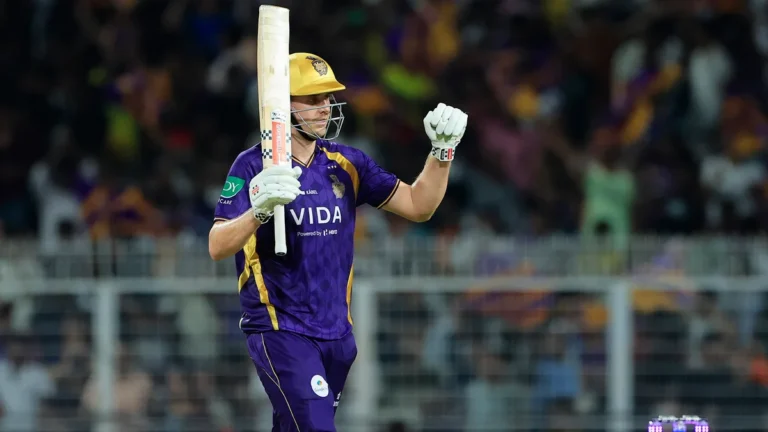
In a move that highlights both the immense value placed on Australian allrounders and the evolving financial complexities of the Indian Premier League, Cameron Green has become the most expensive overseas player in the history of the competition. The Kolkata Knight Riders (KKR) committed a staggering A$4.27 million (INR 25.2 crore) to secure the West Australian’s services at the recent auction in Abu Dhabi. However, beneath the headline-grabbing figure lies a stark reality: a new league rule has imposed a strict ceiling of INR 18 crore on payments to international players, effectively capping Green’s actual take-home pay at approximately A$3 million.
The Impact of the New Salary Cap
This development underscores a significant shift in how franchises manage their wage bills. While KKR bid an unprecedented amount to outmaneuver rivals like the Rajasthan Royals and Chennai Super Kings, the surplus beyond the INR 18 crore threshold will not line the player’s pockets. Instead, the franchise is required to redirect that excess—amounting to more than a million dollars—into the Board of Control for Cricket in India’s ‘player development program’.
For Green, the financial outcome is somewhat ironic. Due to fluctuations in currency exchange rates, the 26-year-old will actually see a lower dollar value compared to his 2023 stint with the Mumbai Indians, when he was purchased for INR 17.5 crore—a deal that then converted to roughly A$3.15 million. The auction dynamics were notably intense, with Mumbai Indians initially entering the fray to re-sign their former player before eventually retreating as the bidding surpassed their strategic threshold.
Strategic Shifts and Tactical Value
KKR’s aggressive pursuit of Green was a calculated move to fill a void left by the departure of veteran allrounder Andre Russell, who exited the franchise following an 11-year tenure. By securing Green, the Kolkata leadership is looking to integrate a versatile talent who has proven his ability to impact the game with both bat and ball. KKR CEO Venky Mysore expressed his satisfaction with the acquisition, noting that the franchise benefits from Green’s previous experience in the tournament and his balanced skill set.
Green’s availability for the upcoming season was a critical factor for prospective bidders. After missing the 2025 campaign due to back surgery, there were initial questions regarding his capacity to bowl. However, following recent clarifications that he is fully fit to contribute as an allrounder, the apprehension among franchises vanished, clearing the path for the record-breaking bid. An administrative error that initially listed him as a specialist batter proved fortuitous, as it placed him in the first set of players to go under the hammer, ensuring he was top of mind when teams had their full budgets intact.
Broader Trends in the Auction Room
While Green’s recruitment was a highlight, the auction also underscored the unpredictable nature of the market for experienced stars. Steve Smith, who has explicitly stated his intention to target the 2028 LA Olympic Games, failed to attract any interest and did not even reach the bidding stage. This marks the third time the seasoned batter has gone unsold, highlighting a growing disconnect between his tactical profile and the requirements of modern T20 franchises.
Contrastingly, wicketkeeper-batter Josh Inglis saw his market value validated, being picked up by the Lucknow Super Giants for A$1.5 million. The recruitment of other Australians, such as Ben Dwarshuis and Cooper Connolly by the Punjab Kings, further illustrates the ongoing demand for high-quality Australian talent within the league’s evolving landscape.
Looking Ahead
For KKR, the move is a bold signal of intent. Entering the auction with the largest available purse and numerous squad vacancies following a major roster reset, they clearly identified Green as a cornerstone for their 2026 campaign. Over his 29 career IPL matches, Green has maintained an impressive batting average of 41.6 with a strike rate of 153.7. While his bowling economy sits at 9.07, his ability to provide breakthroughs and anchor the middle order remains a premium asset.
Ultimately, while the record bid serves as a testament to Green’s standing in the game, it also serves as a case study for future auctions. As leagues worldwide implement tighter salary controls to maintain competitive balance, the gap between ‘auction value’ and ‘actual compensation’ is likely to become a more common feature of elite cricket, forcing players and agents to navigate increasingly complex financial structures.